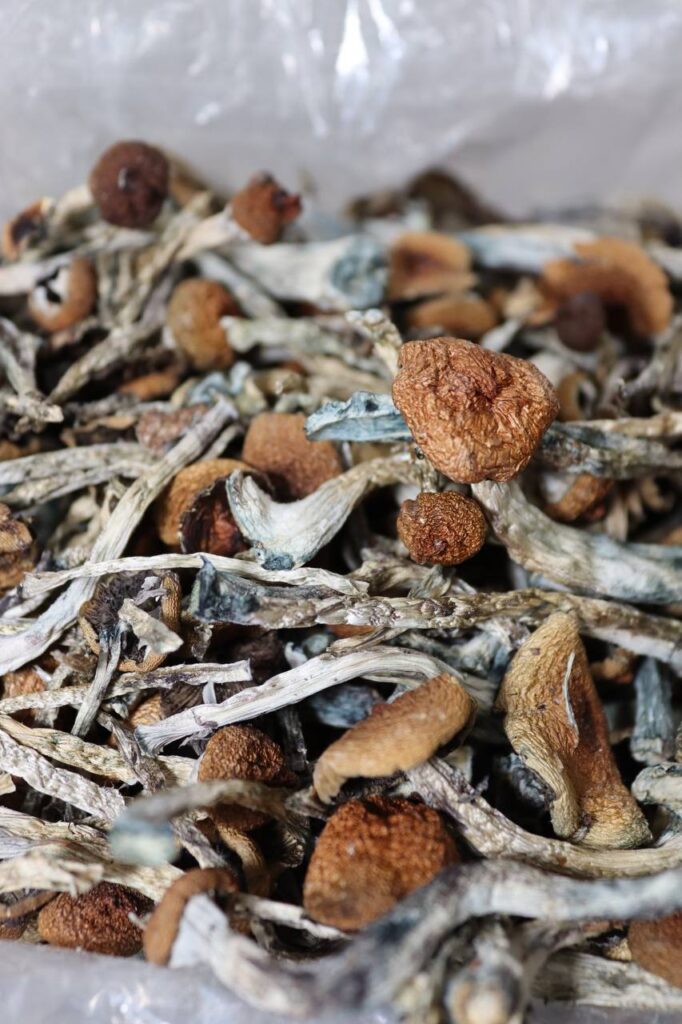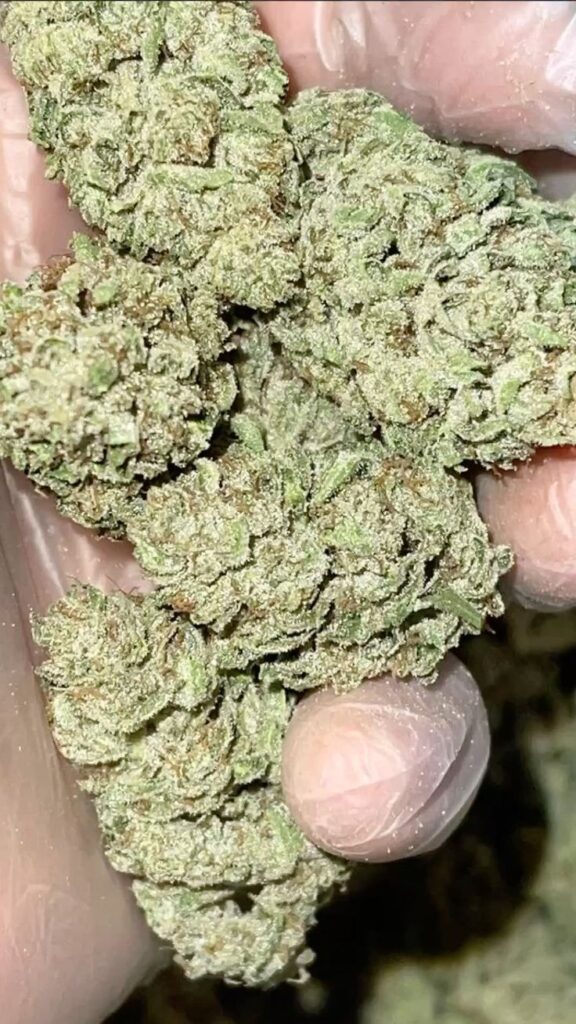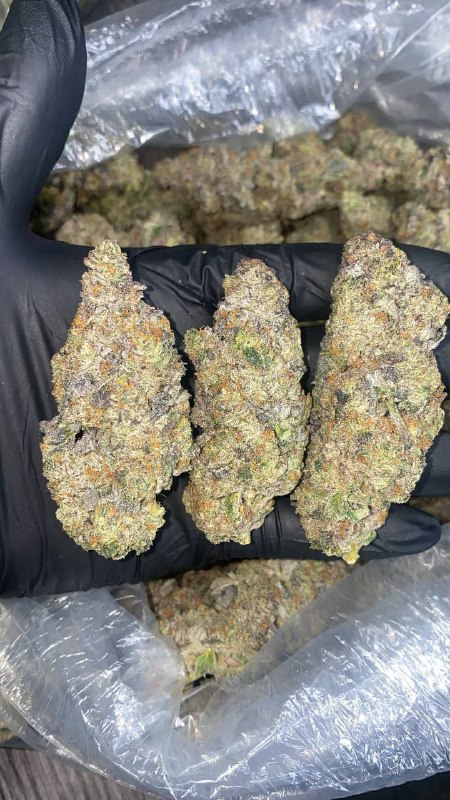
Introduction: Why THC Limits Matter More Than You Think
If you’ve ever wondered why one cannabis products label is legal nationwide while another—nearly identical—can cause legal trouble, the answer usually comes down to THC limits. That tiny percentage on a lab report can determine whether a product is federally legal, state-restricted, or outright illegal.
For consumers, THC limits affect safety, legality, and even employment risk. For businesses, they determine licensing, shipping, banking, and survival. And for regulators, THC thresholds are the line between hemp and marijuana.
In this guide, we’ll explain cannabis products https://cannabisplug.store/shop-2/ THC limits under U.S. regulations—federal and state—using plain language, real examples, and insights most articles miss.
What Is THC, and Why Is It Regulated?
THC (tetrahydrocannabinol) is the primary psychoactive compound in cannabis. It’s responsible for the “high” associated with marijuana, but it also has medical effects at various doses.
Regulators focus on THC because:
- It’s measurable and enforceable
- It correlates with intoxication
- It helps distinguish hemp from marijuana
As a result, THC limits are the backbone of U.S. cannabis law.
Cannabis Products and Federal THC Limits: The Big Picture
At the federal level, THC limits are set by statute—not agency preference.
The 0.3% Rule (Federal Law)
Under the 2018 Farm Bill:
- Hemp is cannabis with 0.3% THC or less (by dry weight)
- Marijuana is cannabis with more than 0.3% THC
This single threshold determines whether cannabis products are federally legal or illegal.
It applies to:
- Flower
- Extracts
- Edibles
- Topicals
- Any derivative of the plant
H2: Cannabis Products THC Limits Under the 2018 Farm Bill
The Farm Bill didn’t legalize marijuana. It legalized hemp—and only hemp.
What the Farm Bill Allows
- Hemp-derived cannabis products with ≤0.3% THC
- Interstate commerce for compliant hemp products
- State oversight of hemp programs
What It Does Not Allow
- Marijuana-derived cannabis products
- Hemp products exceeding THC limits
- Products that “spike” above limits during processing
This is why lab testing is so critical for compliant cannabis products.
Total THC vs Delta-9 THC: A Critical Distinction
Here’s a nuance many competitors miss.
Delta-9 THC
- The primary psychoactive THC
- The compound named in the Farm Bill
- Often measured alone in finished products
Total THC
- Delta-9 THC + THCA (when heated)
- Used by many states to assess legality
- Can push a product over the legal limit
A product may appear compliant based on delta-9 THC alone but become illegal when total THC is calculated.
H2: Cannabis Products THC Limits by State
While federal law sets the baseline, states add their own rules.
How States Regulate THC
States may impose:
- Lower THC limits than federal law
- Per-serving THC caps
- Package-level THC limits
- Product-specific restrictions (edibles, vapes)
This means cannabis products https://cannabisplug.store/shop-2/ legal in one state may be illegal in another—even if federally compliant.
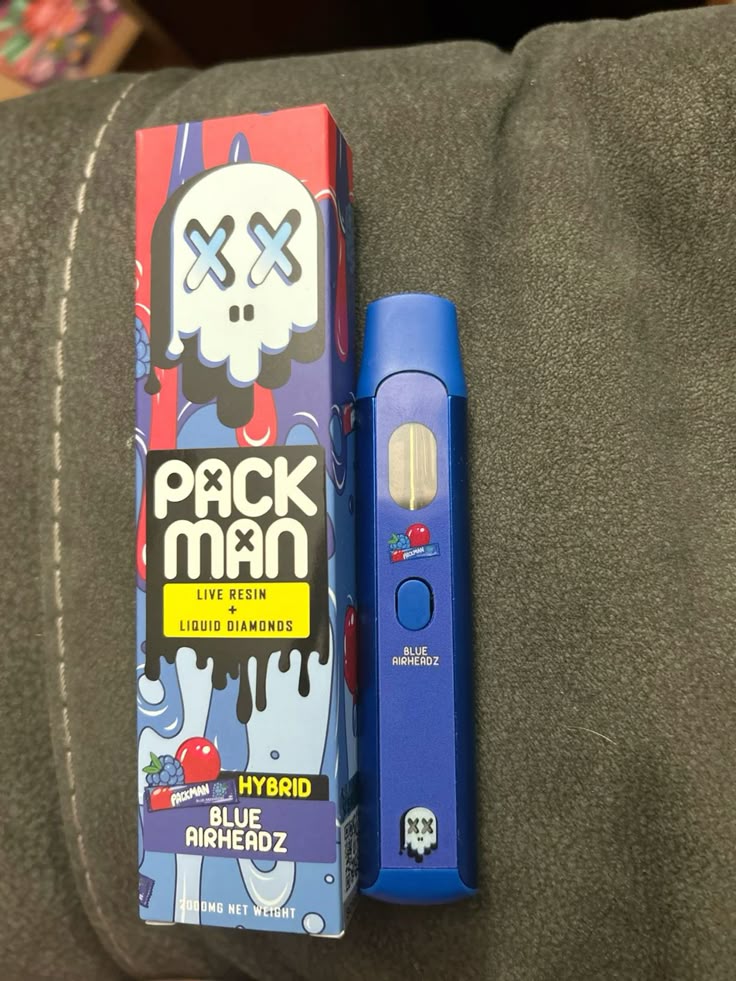
Examples of State-Level THC Limits
Adult-Use (Recreational) States
Common rules include:
- 10 mg THC per edible serving
- 100 mg THC per package
- Concentrate potency caps
Medical Cannabis States
Often allow:
- Higher THC limits
- Physician-guided dosing
- Restricted product forms for minors
Hemp-Restrictive States
Some states:
- Ban smokable hemp
- Restrict delta-8 THC
- Require special registration
Always check state law before buying or selling cannabis products.
H3: How THC Limits Apply to Cannabis Products Like Edibles
Edibles are regulated differently from flower.
Why Edibles Face Stricter THC Limits
- Delayed onset increases overconsumption risk
- Easier access for minors
- Harder to dose accurately
That’s why many states cap:
- THC per serving
- THC per package
- Serving size uniformity
These rules apply regardless of federal legality.
THC Limits for Hemp-Derived Edibles and Beverages
Hemp-derived edibles must still meet:
- ≤0.3% delta-9 THC (by dry weight)
- State-specific serving caps (where applicable)
This creates odd scenarios where:
- A large edible can legally contain more THC than a small one
- Weight, not effect, determines legality
Understanding this helps consumers avoid surprises.
THC Limits for Cannabis Flower and Concentrates
Flower
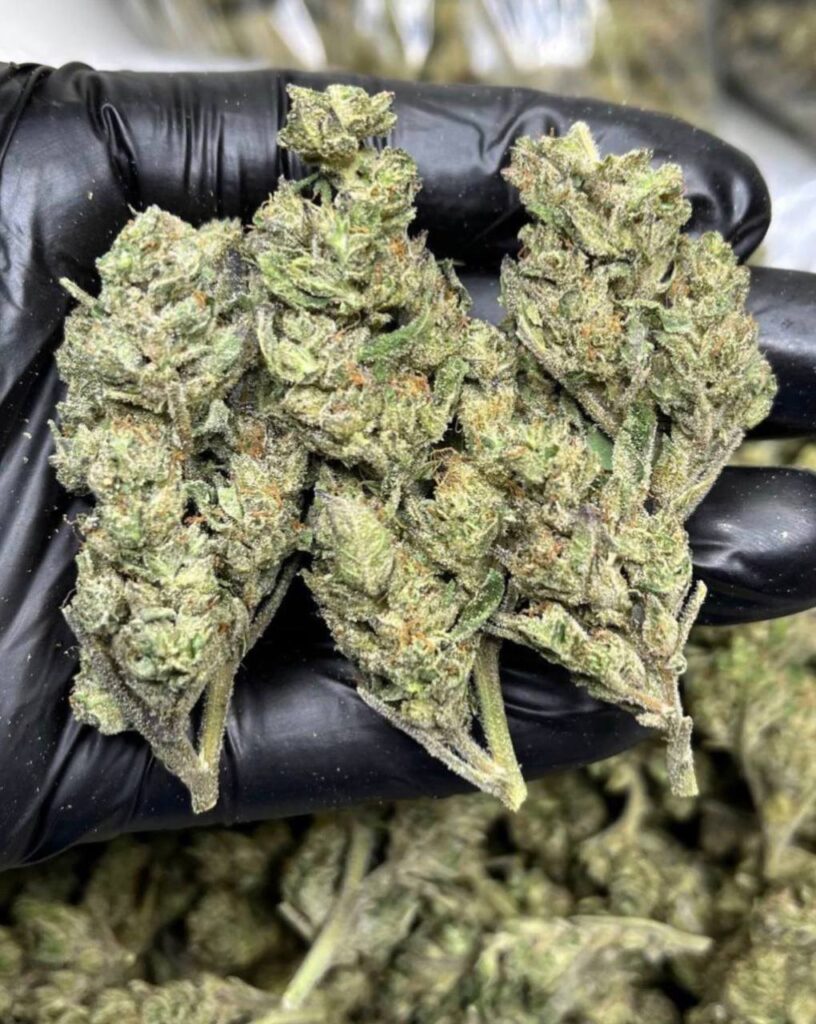
- Hemp flower must stay under 0.3% THC
- Marijuana flower in legal states often ranges much higher
- Testing errors can reclassify products
Concentrates
- Hemp concentrates must remain compliant
- Marijuana concentrates are tightly regulated by states
- Potency caps vary widely
Processing increases the risk of exceeding THC limits.
Testing, Labeling, and Compliance
THC limits are enforced through lab testing.
Why Lab Reports Matter
- Verify THC content
- Prove legal classification
- Protect consumers and sellers
Legitimate cannabis products include:
- Certificates of Analysis (COAs)
- Batch numbers
- Clear THC breakdowns
Missing or inaccurate testing can invalidate legality.
The Risk of “Hot” Hemp Products
A “hot” hemp product exceeds THC limits—sometimes unintentionally.
Common causes include:
- Plant genetics
- Harvest timing
- Concentration during extraction
- Improper testing methods
Once a product exceeds the limit, it may be treated as illegal marijuana.
THC Limits and Interstate Commerce
One of the biggest misconceptions:
- Hemp cannabis products may cross state lines if compliant
- Marijuana cannabis products may never cross state lines
Even a legal product becomes illegal the moment it violates THC thresholds during transport.
Employment, Drug Tests, and THC Limits
THC limits do not protect against drug testing.
Important realities:
- Legal THC can still trigger a positive test
- Employers may enforce zero-tolerance policies
- Federal jobs follow federal law
Consumers should understand these risks before using cannabis products.
THC Limits on Federal Land
Federal land follows federal law.
This includes:
- National parks
- Airports
- Military bases
Even state-legal marijuana cannabis products are prohibited on federal property.
Insights Competitors Miss About THC Limits
Here are a few critical points often overlooked:
- THC limits apply to final products, not just raw materials
- Packaging weight can affect legality
- Total THC matters more than delta-9 in some states
- Enforcement doesn’t require intent—only measurement
These details can make or break compliance.
FAQs: Cannabis Products THC Limits Explained
1. What is the legal THC limit for cannabis products in the U.S.?
Federally, hemp cannabis products must contain 0.3% THC or less by dry weight.
2. Can cannabis products be legal federally but illegal in a state?
Yes. States may impose stricter THC limits or bans.
3. Do THC limits apply to CBD cannabis products?
Yes. CBD products must still meet THC thresholds.
4. What happens if a hemp product exceeds THC limits?
It may be reclassified as illegal marijuana.
5. Are THC limits different for medical cannabis products?
Yes. Medical programs often allow higher THC levels.
6. Do THC limits protect me from drug testing issues?
No. Legal THC can still result in a positive test.
Conclusion: Understanding THC Limits Is Essential for Cannabis Products
When it comes to cannabis products https://cannabisplug.store/shop-2/, THC limits are the legal line that matters most. They determine:
- Federal legality
- State compliance
- Consumer risk
- Business viability
The rules aren’t always intuitive, and they change frequently. That’s why informed decisions—based on testing, labeling, and current law—are essential.
Whether you’re a consumer trying to stay compliant or a business navigating regulation, understanding THC limits protects you from costly mistakes.
In cannabis law, small percentages make big differences.