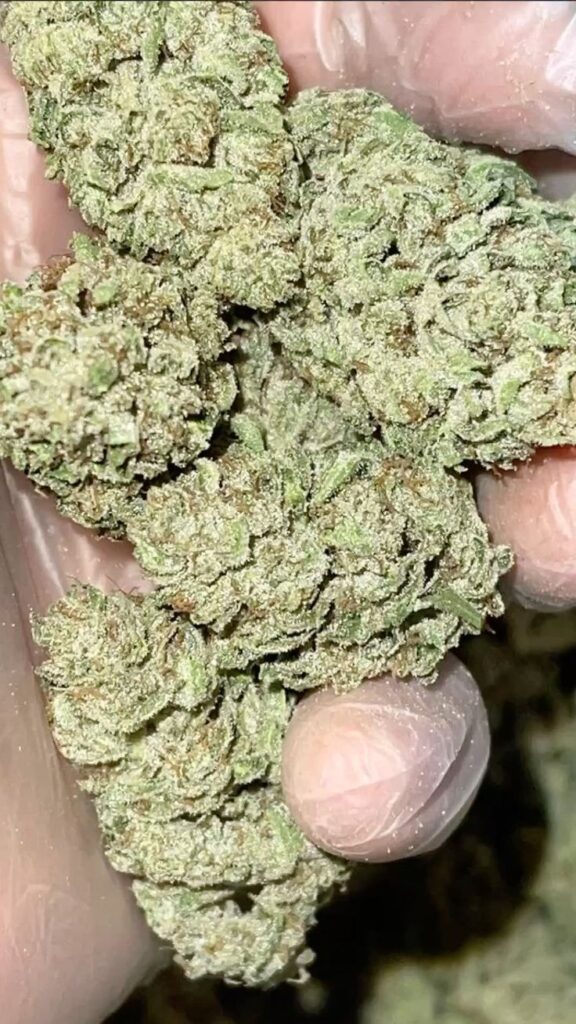
For millions of Americans, Cannabis products aren’t about trends or recreation—they’re about relief, dignity, and quality of life. Whether it’s chronic pain, epilepsy, PTSD, or cancer-related symptoms, medical cannabis has become a real option for patients who haven’t found answers elsewhere. Yet despite growing acceptance, the legal landscape remains confusing, fragmented, and often misunderstood.
If you’re researching medical cannabis for yourself, a loved one, or professionally, this guide explains how Cannabis products https://cannabisplug.store/shop-2/ are regulated for medical use in the United States—what’s legal, what isn’t, and how federal and state laws interact. No hype. No fear-mongering. Just clear, practical explanations you can trust.
Why Medical Cannabis Laws Are So Confusing in the U.S.
Medical cannabis exists in a legal gray zone because the U.S. never adopted a single national framework. Instead, laws evolved state by state while federal policy lagged behind.
This creates three major problems:
- Federal law still classifies marijuana as illegal
- States independently regulate medical Cannabis products
- Patients must navigate overlapping systems
Understanding medical cannabis law starts with understanding this tension.
Federal Law and Medical Cannabis: The Big Picture
Cannabis Under the Controlled Substances Act
Under federal law:
- Marijuana-based Cannabis products are classified as Schedule I substances
- Schedule I drugs are considered to have “no accepted medical use”
- Possession and distribution remain illegal at the federal level
This classification persists despite widespread medical programs and scientific research.
Why Patients Aren’t Being Arrested En Masse
Federal enforcement policy has shifted over time:
- Federal agencies typically do not target state-compliant patients
- Enforcement priorities focus on trafficking and organized crime
- States regulate day-to-day medical cannabis use
This does not mean federal law has changed—it means enforcement discretion is being applied.

How State Medical Cannabis Laws Actually Work
Medical cannabis is legal in most U.S. states—but each state designs its own program.
Core Elements of Medical Cannabis Programs
Most states regulate medical Cannabis products through:
- Qualifying medical conditions
- Physician recommendations or certifications
- Patient registration systems
- Licensed dispensaries
Each of these elements affects who can access medical cannabis and how.
H2: Cannabis products and Medical Use by State Programs
Every medical cannabis state program shares similarities—but the differences matter.
Qualifying Medical Conditions
Common qualifying conditions include:
- Chronic pain
- Cancer
- Multiple sclerosis
- Epilepsy
- PTSD
- HIV/AIDS
Some states allow physician discretion beyond a fixed list, while others are strict.
Patient Registration and Medical Cards
In most states:
- Patients must obtain a medical cannabis card
- Cards must be renewed periodically
- Proof of residency is often required
Medical cards provide legal protections unavailable to recreational users.
H2: Cannabis products Allowed for Medical Use
Medical programs often allow broader access than adult-use laws.
Flower, Oils, and Tinctures
Many states allow:
- Cannabis flower
- Oils and tinctures
- Capsules and tablets
Some states restrict smoking but allow vaporization or ingestion.
Edibles and Topicals
Medical patients may access:
- Edibles with higher THC limits
- Topical creams and patches
- Extended-release formulations
These Cannabis products are often tailored for symptom control rather than intoxication.
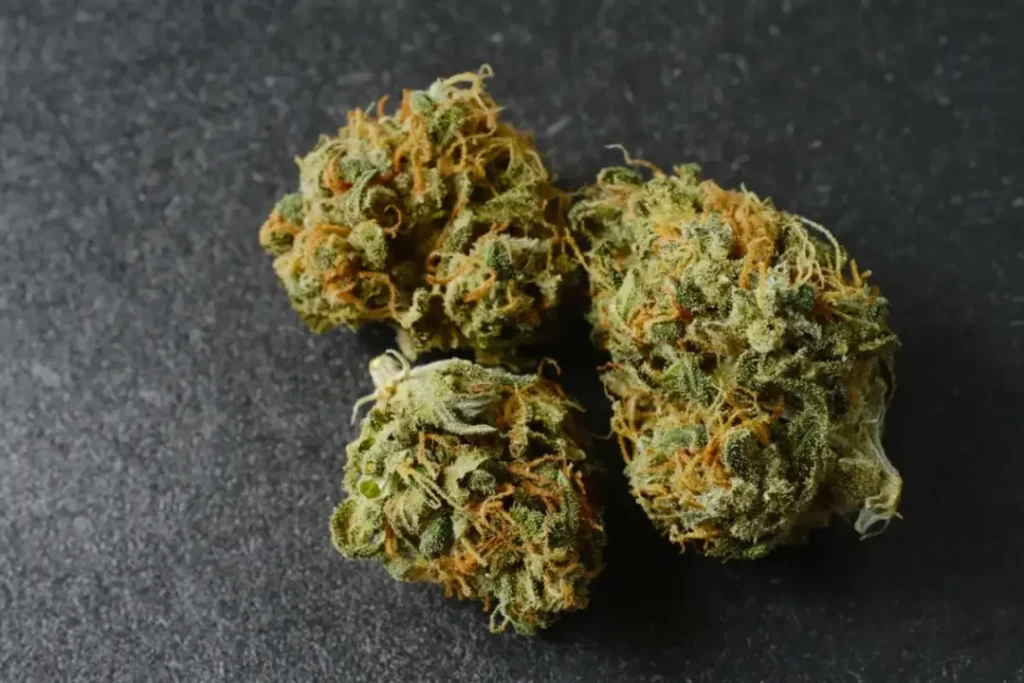
H3: Cannabis products and Medical Use THC Limits
Medical programs usually set higher THC limits than recreational systems.
Examples include:
- Higher possession limits
- Stronger concentrates
- Larger monthly allotments
However, limits still exist—and exceeding them can void legal protection.
Who Can Recommend Medical Cannabis?
Medical cannabis is not prescribed in the traditional sense.
Physician Certification vs Prescription
Doctors:
- Certify that a patient has a qualifying condition
- Do not prescribe Cannabis products like FDA-approved drugs
- Must follow state medical board rules
This distinction protects physicians from federal liability.
How Medical Cannabis Is Different From Recreational Cannabis
Medical use provides advantages beyond legality.
Legal Protections
Medical patients often receive:
- Higher possession limits
- Lower taxes
- Age exemptions in some states
- Workplace protections (limited)
Recreational users do not receive these benefits.
Product Quality and Consistency
Medical Cannabis products are:
- More likely to be tested
- Designed for therapeutic dosing
- Labeled with detailed cannabinoid profiles
This matters for patients managing symptoms long-term.
Where Medical Cannabis Is Still Restricted
Despite widespread legalization, medical cannabis remains limited in certain contexts.
Federal Property
Medical Cannabis products are illegal on:
- Military bases
- National parks
- Federal buildings
State medical cards do not override federal jurisdiction.
Interstate Travel
Patients cannot legally:
- Transport marijuana across state lines
- Use medical cards outside issuing states (with limited reciprocity exceptions)
This is one of the most common legal pitfalls.
Employment, Housing, and Medical Cannabis
Medical cannabis law doesn’t exist in a vacuum.
Workplace Protections
Some states:
- Prohibit discrimination against medical cannabis patients
- Require reasonable accommodations
Others allow employers to enforce zero-tolerance drug policies.
Housing and Medical Cannabis
Landlords may:
- Restrict smoking
- Ban cannabis on federal housing properties
Patients should review lease agreements carefully.
Hemp-Derived vs Marijuana-Derived Medical Cannabis
Not all Cannabis products come from marijuana.
Hemp-Derived CBD
Hemp-derived Cannabis products:
- Contain 0.3% THC or less
- Are federally legal
- Are often used medically without state registration
These products do not replace state medical programs but complement them.
Common Medical Cannabis Myths
Let’s address some persistent misconceptions.
“Medical cannabis is legal everywhere”
False. Laws vary by state and context.
“Doctors prescribe cannabis”
False. They recommend or certify eligibility.
“Medical cards protect you federally”
False. Federal law still applies in certain situations.
How Patients Stay Compliant With Medical Cannabis Laws
Experienced patients follow a few core principles:
- Keep medical cards current
- Purchase only from licensed dispensaries
- Follow possession limits closely
- Avoid federal property and interstate travel
Compliance is the key to legal protection.
FAQs: Cannabis products and Medical Use in the U.S.
1. Are Cannabis products legal for medical use in the U.S.?
Yes, in most states, medical Cannabis products https://cannabisplug.store/shop-2/ are legal under state law but remain illegal federally.
2. What conditions qualify for medical cannabis?
Conditions vary by state but often include chronic pain, cancer, epilepsy, and PTSD.
3. Do medical cannabis patients have higher possession limits?
Usually yes, but limits still apply and differ by state.
4. Can medical Cannabis products be taken across state lines?
No. Interstate transport of marijuana-based cannabis is illegal.
5. Can minors use medical cannabis?
Some states allow minors with parental consent and physician approval.
6. Is hemp-derived CBD considered medical cannabis?
Hemp-derived CBD is federally legal but regulated separately from state medical cannabis programs.
Conclusion: Understanding Medical Cannabis Law Builds Confidence
Medical Cannabis products https://cannabisplug.store/shop-2/ play a meaningful role in modern healthcare, but the laws governing them are layered, technical, and constantly evolving. Federal prohibition still exists, yet state medical programs provide real, enforceable protections for millions of patients.
The key takeaway is simple: legality depends on compliance. Knowing your state’s rules, respecting federal boundaries, and understanding how medical cannabis differs from recreational use empowers patients to make safe, informed decisions.