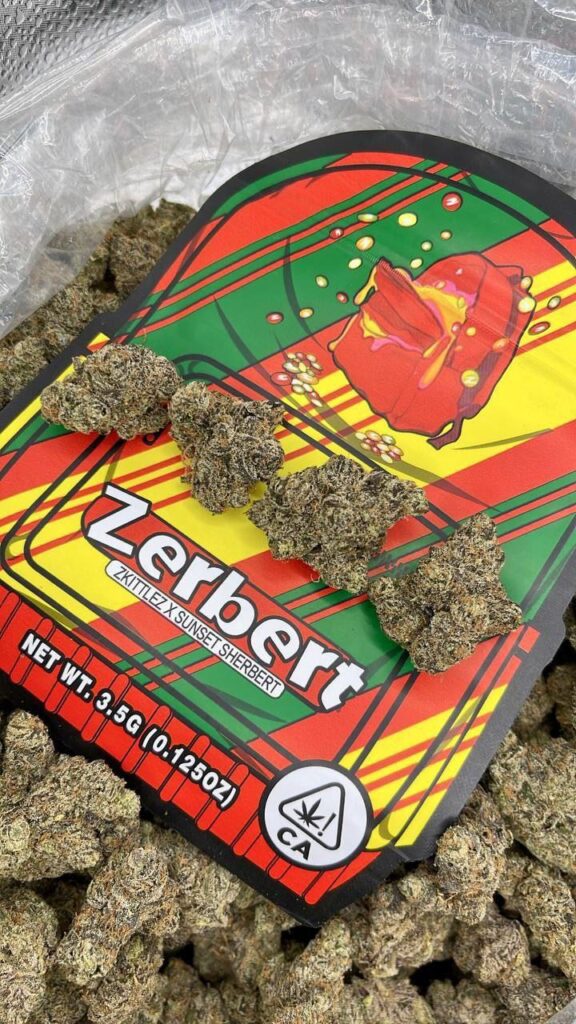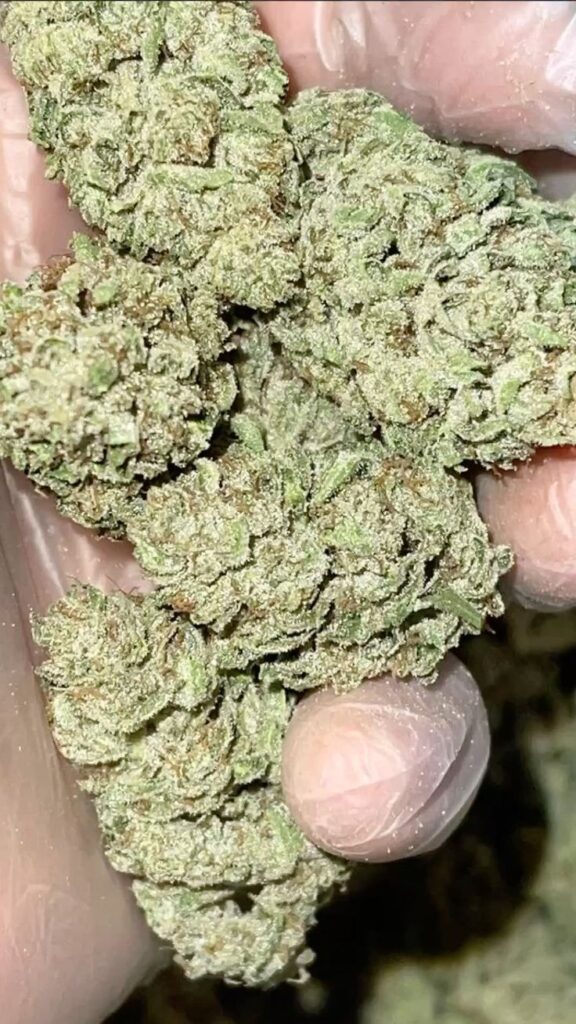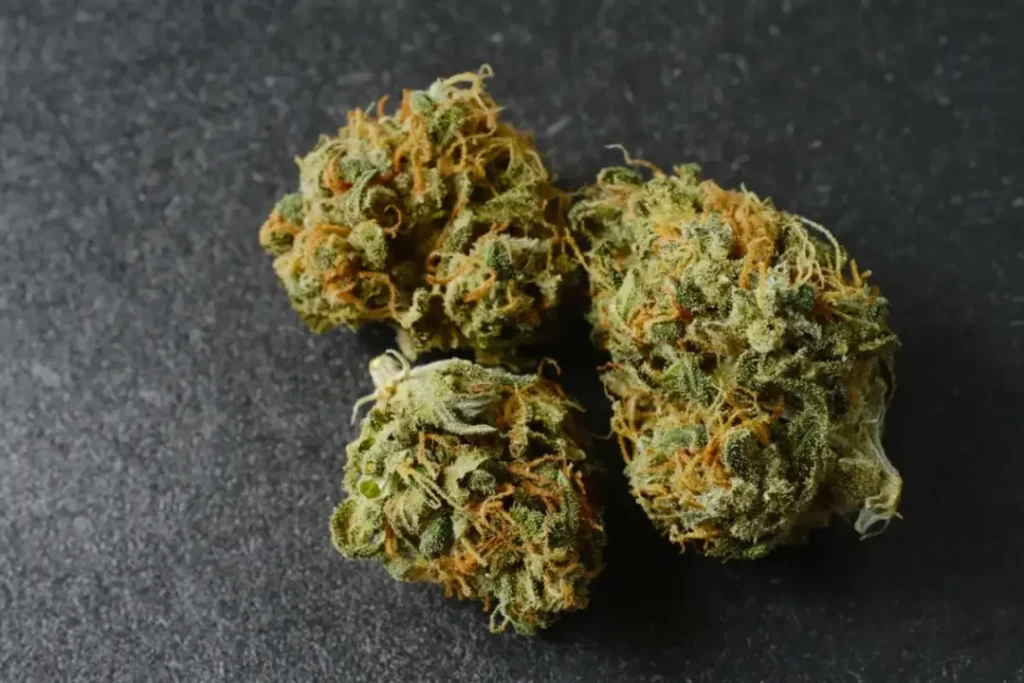
Recreational cannabis is no longer a fringe topic in the United States—it’s a mainstream legal issue affecting millions of adults. Yet despite widespread legalization headlines, many people still feel unsure about what’s actually allowed. Cannabis products https://cannabisplug.store/shop-2/ may be legal in one state, restricted in another, and illegal the moment you cross an invisible border.
If you’re searching for clear answers about recreational cannabis—what’s legal, what’s not, and how the laws really work—this guide is for you. We’ll break down the legal landscape of recreational Cannabis products https://cannabisplug.store/shop-2/ in the USA in plain English, with real-world examples, practical tips, and critical warnings most articles skip.
Why Recreational Cannabis Laws Are Still Confusing
Legalization didn’t happen all at once. Instead, U.S. cannabis law evolved through voter initiatives, state legislation, and selective federal enforcement. The result is a patchwork system where legality depends on:
- The state you’re in
- The type of Cannabis products you have
- How much you possess
- Where you use or transport it
Understanding recreational cannabis means understanding how state law and federal law overlap—and where they don’t.
Federal Law vs State Law: The Core Conflict
At the heart of recreational cannabis law is a contradiction.
Federal Law
Under the Controlled Substances Act:
- Marijuana-based Cannabis products are illegal
- Possession, sale, and distribution are prohibited federally
- Cannabis is still classified as a Schedule I substance
Federal law has not been repealed or replaced.
State Law
Many states have legalized recreational cannabis for adults 21+:
- Legal possession within limits
- Licensed retail dispensaries
- State-regulated production and sales
Federal authorities generally allow states to regulate cannabis internally—but only within state borders.
Where Recreational Cannabis Is Legal in the USA
As of now, a growing number of states allow recreational cannabis use for adults.
States With Legal Recreational Cannabis
These states permit adult-use Cannabis products under state law:
- California
- Colorado
- Illinois
- New York
- Washington
- Michigan
- Arizona
- Nevada
- Massachusetts
(and others)
Each state sets its own rules for possession, purchase, and use.
States Where Recreational Cannabis Is Still Illegal
Some states:
- Allow medical use only
- Have decriminalized possession
- Maintain full prohibition
This means recreational Cannabis products can still result in criminal charges in certain states.
H2: Cannabis products for Recreational Use — What’s Legal
Legal recreational use doesn’t mean unlimited freedom. States regulate nearly every detail.
Age Requirements
In legal states:
- You must be 21 or older
- Valid government-issued ID is required
- Providing cannabis to minors is a serious offense
Age enforcement is strict and closely monitored.
Where You Can Buy Cannabis
Recreational Cannabis products must be purchased from:
- State-licensed dispensaries
- Approved retail outlets
Buying from unlicensed sellers—even in legal states—can still be illegal.
H2: Cannabis products Possession Limits for Recreational Users
Possession limits are one of the most misunderstood areas of recreational cannabis law.
Typical Possession Limits
Most states allow:
- Up to 1 ounce (28 grams) of flower
- Limited amounts of concentrates
- Edibles capped by THC content
Exceeding these limits can result in fines or criminal charges.
Product-Type Differences
Different Cannabis products are measured differently:
- Flower by weight
- Concentrates by grams
- Edibles by total THC
This catches many users off guard.
H3: Cannabis products for Recreational Use and Public Spaces
Where you have cannabis matters just as much as how much you have.
Public Consumption Rules
Most states prohibit:
- Smoking in public
- Using cannabis in parks or sidewalks
- Consumption near schools or government buildings
Legal possession does not equal legal public use.
Cannabis and Vehicles
In vehicles:
- Cannabis products must be sealed
- Kept out of reach of the driver
- Treated like open alcohol containers
Driving under the influence of cannabis remains illegal nationwide.
Recreational Cannabis and Interstate Travel
This is one of the biggest legal traps.
Crossing State Lines
It is illegal to:
- Transport marijuana-based Cannabis products across state lines
- Fly between states with cannabis, even between legal states
Interstate travel triggers federal jurisdiction.
Airports and Federal Property
Airports, national parks, and federal buildings follow federal law:
- Recreational cannabis is prohibited
- State legalization does not apply
Many arrests happen in these zones.
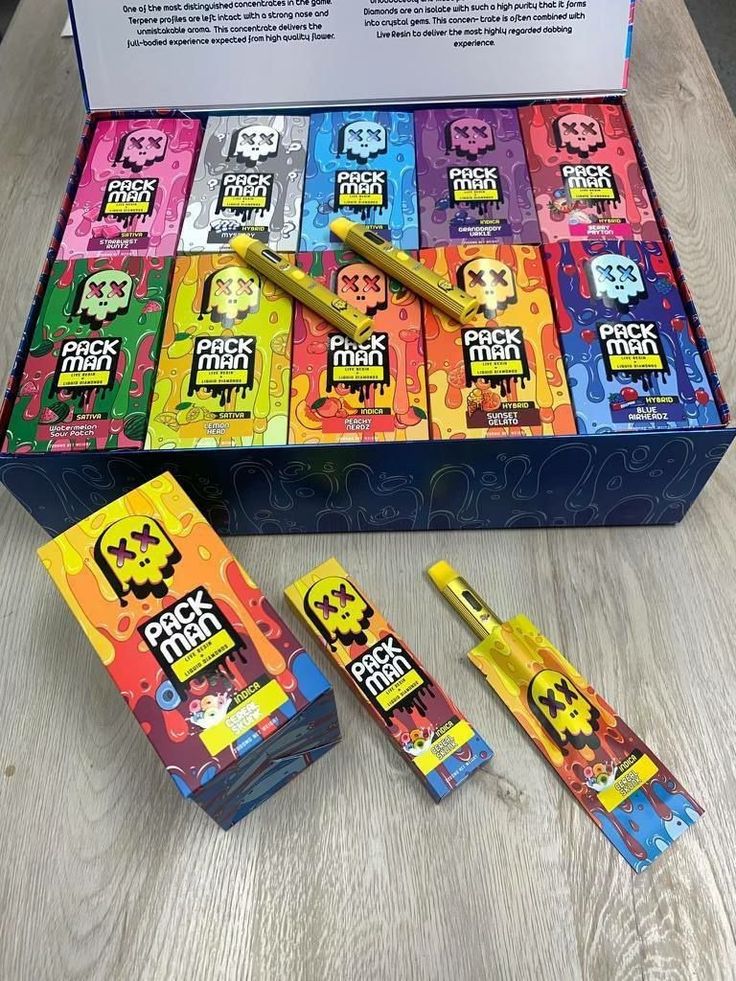
Hemp-Derived Products vs Recreational Cannabis
Not all cannabis-related products are the same.
Hemp-Derived Cannabinoids
Hemp-derived Cannabis products:
- Contain 0.3% THC or less
- Are federally legal
- May be sold nationwide
However, some states restrict certain hemp-derived compounds.
Marijuana-Derived Products
Recreational marijuana products:
- Are regulated only by state law
- Cannot cross state lines
- Face stricter enforcement
Understanding the source matters legally.
Taxes, Pricing, and Legal Risks
Recreational cannabis is heavily taxed.
Taxes on Recreational Cannabis
Consumers often pay:
- State excise taxes
- Local cannabis taxes
- Standard sales tax
High taxes sometimes push buyers toward illegal markets—which carries legal risk.
Black Market Risks
Buying unlicensed Cannabis products can lead to:
- Criminal charges
- Product contamination
- No legal consumer protections
Legal access is safer, even if more expensive.
Employment, Housing, and Recreational Cannabis
Legal doesn’t always mean protected.
Workplace Policies
Employers may:
- Prohibit cannabis use
- Enforce drug testing
- Discipline employees for off-duty use
Recreational use has fewer protections than medical use.
Housing Rules
Landlords may restrict:
- Smoking cannabis
- Growing plants
- Use in federally subsidized housing
Always review lease agreements.
Growing Cannabis for Recreational Use
Some states allow home cultivation.
Home Grow Rules
Where allowed:
- Plant limits apply (often 4–6 plants)
- Plants must be out of public view
- Selling homegrown cannabis is illegal
Violating grow rules can result in penalties.
Common Myths About Recreational Cannabis
Let’s clear up a few misconceptions.
“Cannabis is legal everywhere now”
False. Laws vary by state and context.
“You can carry as much as you buy”
False. Purchase limits and possession limits differ.
“Legal states don’t enforce cannabis laws”
False. Enforcement focuses on limits, location, and distribution.
Smart Tips for Staying Legal With Recreational Cannabis
Experienced users follow simple rules:
- Know your state’s possession limits
- Avoid public consumption
- Never cross state lines with cannabis
- Keep products sealed during transport
- Understand employer and housing policies
These habits prevent most legal problems.
FAQs: Cannabis products for Recreational Use in the USA
1. Are Cannabis products legal for recreational use in the U.S.?
Yes, in many states for adults 21+, but they remain illegal under federal law.
2. Can I travel between legal states with cannabis?
No. Interstate transport of marijuana-based Cannabis products is illegal.
3. Where can I legally use recreational cannabis?
Usually on private property. Public use is often prohibited.
4. How much recreational cannabis can I possess?
Most states allow about 1 ounce, but limits vary.
5. Can employers fire you for recreational cannabis use?
Yes, in many states employers can enforce drug-free policies.
6. Are hemp-derived products treated the same as recreational cannabis?
No. Hemp-derived Cannabis products are federally legal but regulated differently.
Conclusion: Recreational Cannabis Is Legal—but Not Simple
Recreational Cannabis products https://cannabisplug.store/shop-2/ are legal in many parts of the USA, but legality comes with rules, limits, and serious boundaries. State laws allow adult use, while federal law still prohibits marijuana nationwide. Where you buy, how much you carry, where you use it, and whether you cross state lines all matter.
The biggest mistake people make is assuming legalization means freedom without limits. In reality, recreational cannabis law rewards awareness and punishes assumptions.