Cannabis products and CBD: What Is Legal Nationwide?
The conversation around Cannabis products has changed dramatically in the United States—but the law hasn’t always kept pace with public opinion. Many people assume cannabis is either fully legal or completely illegal, yet the reality is far more nuanced. CBD oils are sold online, hemp products are shipped nationwide, and dispensaries operate openly in some states—while federal law still draws firm boundaries.
If you’ve ever asked “Which Cannabis products are actually legal nationwide?” or “Is CBD legal in all 50 states?”, you’re not alone. Confusion around cannabis legality is one of the most searched topics online, and misinformation is everywhere.
This guide cuts through the noise. We’ll break down what federal law allows, how CBD fits into the picture, where THC limits matter, and what consumers and businesses need to know to stay on the right side of U.S. regulations.
Understanding Cannabis Products Under U.S. Federal Law
Before diving into CBD legality, it’s important to understand how U.S. law defines Cannabis products at the federal level.
Cannabis vs. Hemp: The Legal Distinction That Changes Everything
Under U.S. law, not all cannabis is treated the same.
Federal regulations divide cannabis into two categories:
- Marijuana – Cannabis containing more than 0.3% delta-9 THC by dry weight
- Hemp – Cannabis containing 0.3% THC or less
This distinction was formalized under the 2018 Farm Bill, which removed hemp from the Controlled Substances Act.
As a result:
- Marijuana remains illegal at the federal level
- Hemp-derived Cannabis products may be legal nationwide—if they meet strict requirements
This single THC threshold determines whether a product can legally cross state lines.
Cannabis Products and CBD: Federal Legal Framework Explained
CBD (cannabidiol) is one of the most widely used cannabinoids, and it’s the reason many Cannabis products are sold nationwide without issue.
Is CBD Legal Under Federal Law?
Yes—but with conditions.
CBD is federally legal only if it is:
- Derived from hemp, not marijuana
- Contains no more than 0.3% delta-9 THC
- Produced by a licensed hemp grower
CBD derived from marijuana is still federally illegal, even if the THC content is low.
This distinction is critical and often misunderstood.
Why the Source of CBD Matters
Two CBD products can look identical—but be treated very differently under the law.
| CBD Source | Federal Legal Status |
|---|---|
| Hemp-derived CBD | Legal nationwide |
| Marijuana-derived CBD | Federally illegal |
This is why reputable brands emphasize “hemp-derived CBD” in their labeling.
Cannabis Products and CBD: What Is Legal Nationwide Today
Let’s get specific. Here’s what federal law currently allows across all 50 states.
Federally Legal Cannabis Products
The following Cannabis products https://cannabisplug.store/shop-2/ are legal nationwide when compliant:
- Hemp-derived CBD oils and tinctures
- CBD topicals (creams, balms, lotions)
- Hemp-derived CBD capsules
- CBD isolate products (0% THC)
- Industrial hemp products (textiles, paper, building materials)
These products must remain below the THC threshold and follow federal labeling and manufacturing rules.
Products That Remain Federally Illegal
Despite state-level legalization in many areas, these Cannabis products are not legal nationwide:
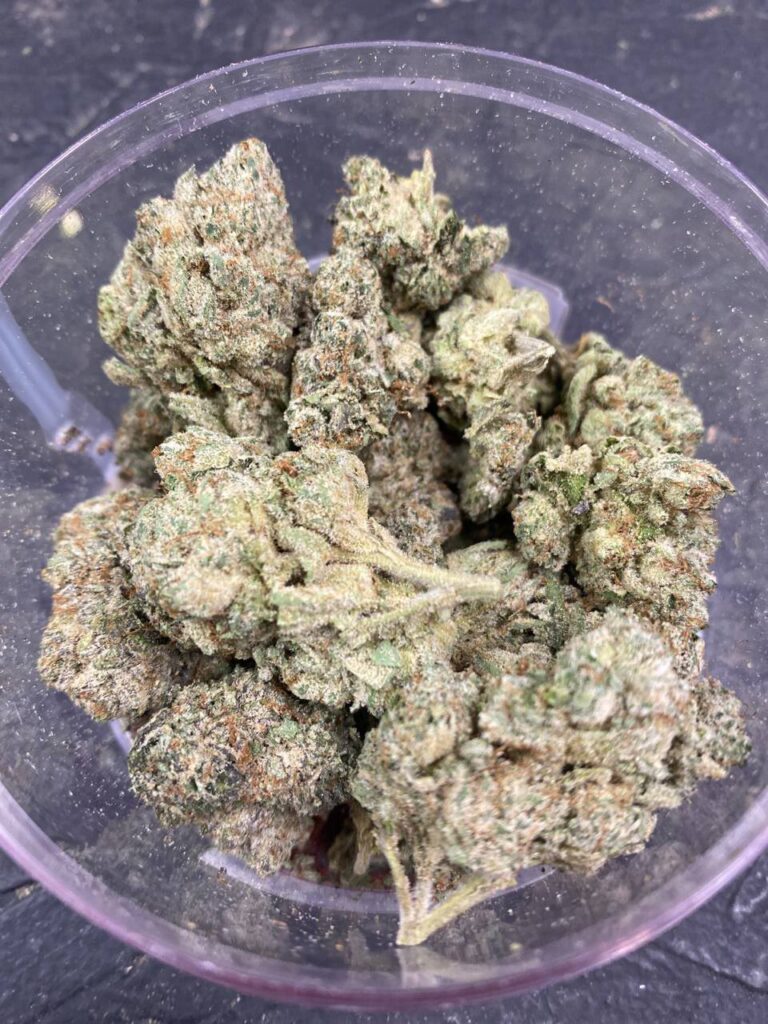
- Marijuana flower
- THC-dominant edibles
- Delta-9 THC products above 0.3%
- CBD derived from marijuana plants
Even if legal in a specific state, these items cannot legally cross state lines.
THC Limits in Cannabis Products: Why 0.3% Matters
The 0.3% THC limit is the backbone of federal cannabis policy.
What Does “0.3% THC by Dry Weight” Actually Mean?
This measurement applies to the entire product, not just the extract.
For example:
- A large edible may legally contain more total THC than a small one, as long as the percentage stays under 0.3%
- This loophole has created confusion—and increased scrutiny—from regulators
Delta-9 vs. Other THC Variants
Federal law focuses specifically on delta-9 THC.
Other cannabinoids, such as delta-8 or delta-10, exist in legal gray areas. While some are derived from hemp, their legality depends on:
- How they are manufactured
- State-level restrictions
- FDA enforcement priorities
This is an evolving area of law and one reason consumers should stay informed.
H3: Cannabis Products and CBD Labeling Requirements
Compliance doesn’t stop at THC limits.
Federally legal Cannabis products must follow specific labeling and production standards.
Key Compliance Expectations
Legal hemp-derived CBD products should include:
- Clear THC content disclosure
- Source identification (hemp-derived)
- Manufacturer or distributor information
- Batch testing or certificates of analysis (COAs)
Products lacking transparency are more likely to face enforcement action.
The FDA’s Role in Regulating Cannabis Products
While the Farm Bill legalized hemp, it did not fully legalize CBD in all forms.
CBD and the FDA: A Complicated Relationship
The FDA currently:
- Prohibits CBD from being marketed as a dietary supplement
- Prohibits CBD from being added to food sold across state lines
- Allows enforcement discretion for certain products
This means some Cannabis products https://cannabisplug.store/shop-2/ exist in a tolerated—but not fully approved—space.
What This Means for Consumers
The FDA focuses enforcement on:
- False medical claims
- Unsafe manufacturing practices
- Products marketed to minors
Consumers should be cautious of CBD products claiming to “treat” or “cure” diseases.
State Laws vs. Federal Law: Where Confusion Starts
Even if Cannabis products are federally legal, states can impose additional rules.
Some states:
- Restrict certain cannabinoids
- Require special registration
- Ban specific product categories
Federal legality allows interstate commerce—but it does not override stricter state laws.
Common Mistakes People Make With Cannabis Products
Here are pitfalls many consumers and businesses overlook:
- Assuming all CBD is legal everywhere
- Ignoring THC accumulation in large products
- Trusting products without lab testing
- Believing “natural” means “unregulated”
Legal cannabis requires compliance—not assumptions.
FAQs About Cannabis Products and CBD Legality
1. Are Cannabis products legal in all 50 states?
Some Cannabis products are legal nationwide, but only if they are hemp-derived and meet federal THC limits. State laws may still restrict them.
2. Is CBD oil legal under federal law?
Yes, hemp-derived CBD oil with no more than 0.3% delta-9 THC is federally legal.
3. Can Cannabis products be shipped across state lines?
Only federally legal Cannabis products made from hemp can legally cross state lines.
4. Is marijuana-derived CBD legal anywhere federally?
No. Marijuana-derived CBD remains illegal under federal law, regardless of THC content.
5. Does the FDA approve CBD products?
The FDA has not broadly approved CBD for food or supplements, but it allows limited enforcement discretion.
6. What happens if a CBD product exceeds THC limits?
It may be classified as marijuana, making it illegal under federal law.
Conclusion: What You Should Know Before Trusting Cannabis Products
The legality of Cannabis products https://cannabisplug.store/shop-2/ in the U.S. is not a simple yes-or-no question. Federal law allows hemp-derived CBD products under strict THC limits, while marijuana-based products remain illegal nationwide.
Understanding the difference between hemp and marijuana, knowing the importance of THC thresholds, and recognizing the FDA’s role can protect you from costly mistakes and misinformation.
As regulations continue to evolve, staying informed is the smartest move you can make. When it comes to Cannabis products, legality is defined by details—not assumptions.
If you’re evaluating products, policies, or compliance questions, always verify federal and state requirements before moving forward.