Introduction: Why “Cannabis Products” Are So Easy to Misunderstand
If you’ve ever searched for cannabis products and walked away more confused than informed, you’re not alone. In the United States, two plants that look nearly identical—marijuana and hemp—are treated very differently under the law. That single distinction affects what you can buy, where you can buy it, who can sell it, and what happens if you get it wrong.
People assume all cannabis products are either legal or illegal. In reality, legality hinges on chemistry, federal statutes, state rules, and enforcement priorities. One product may be legal nationwide, while another—nearly identical—can lead to penalties depending on where you live.
This guide explains cannabis products https://cannabisplug.store/shop-2/ in plain English, breaks down marijuana vs hemp under U.S. law, and highlights the details most articles miss so you can make informed, compliant decisions.
What Are Cannabis Products? A Legal, Not Just Botanical, Definition
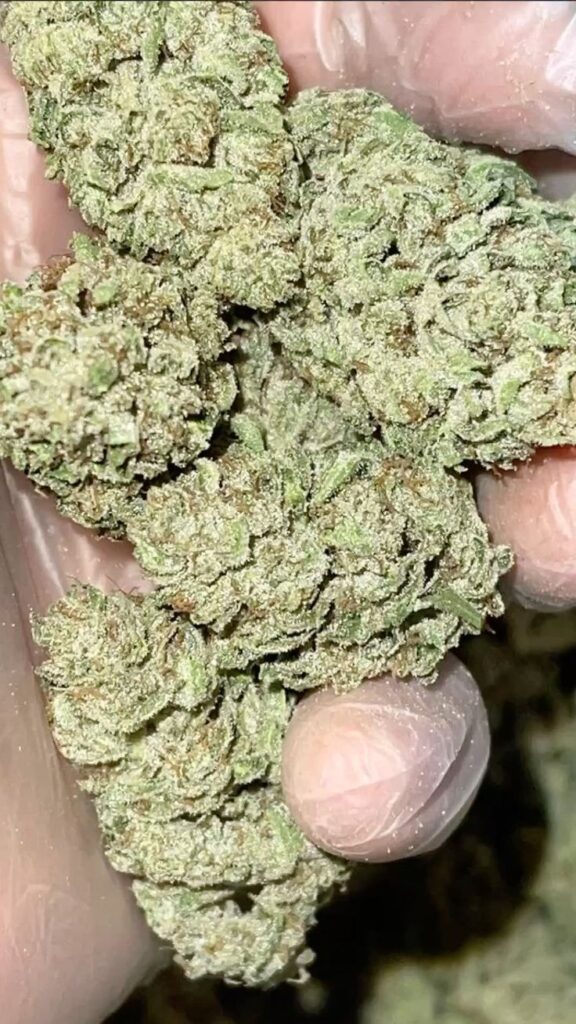
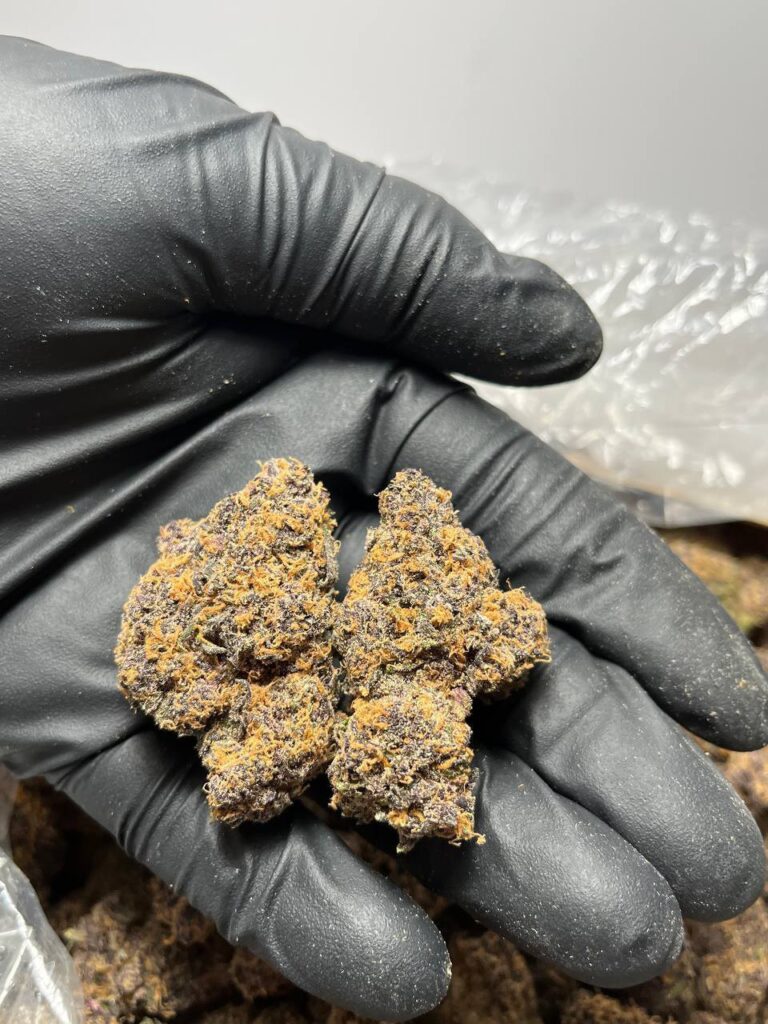
From a legal perspective, cannabis products are any goods derived from the Cannabis sativa plant. That includes:
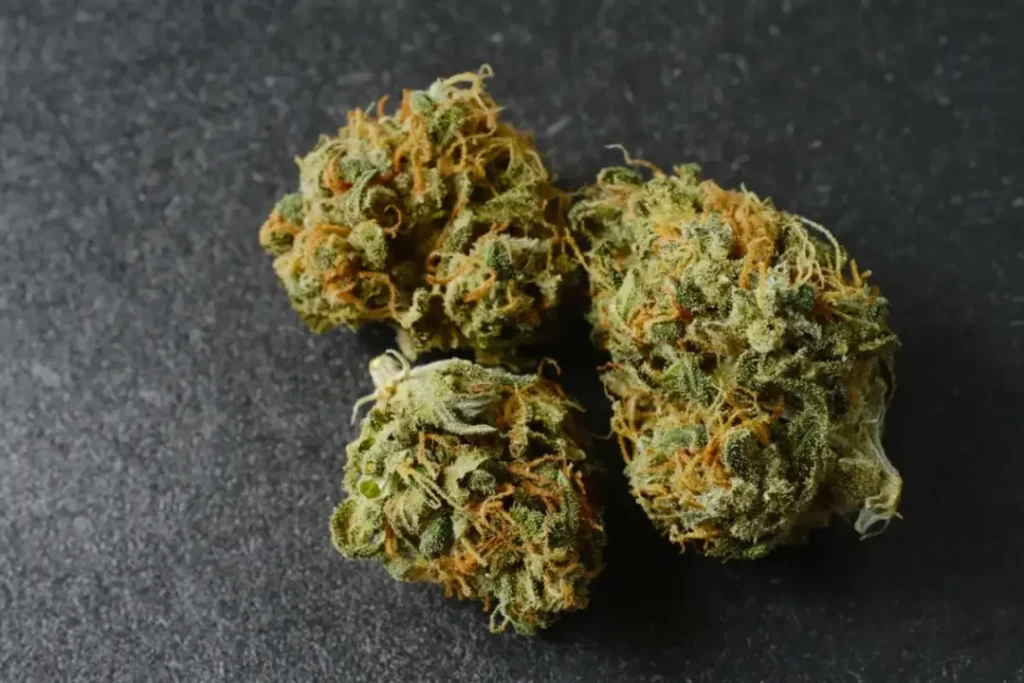
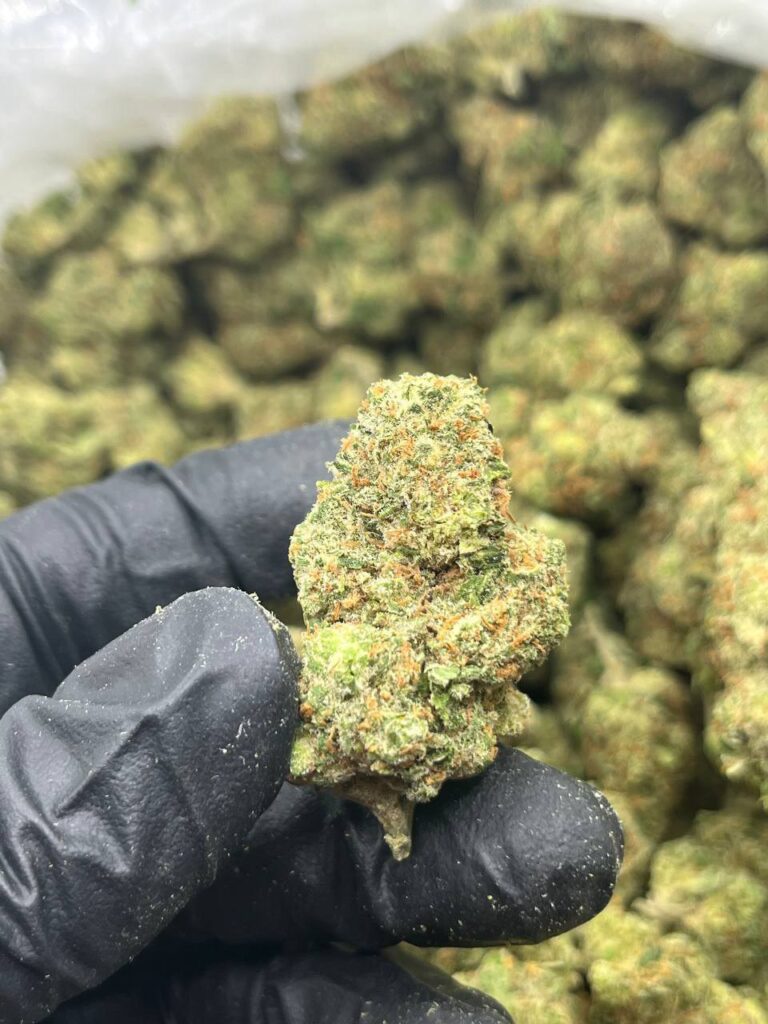
- Flower (buds)
- Oils and tinctures
- Edibles and beverages
- Concentrates and extracts
- Topicals and cosmetics
- Capsules and sprays
Here’s the catch: U.S. law does not classify marijuana products by appearance or use—it classifies them by THC content and source plant. That single factor determines whether a product is treated as hemp or marijuana.
The Core Difference: Marijuana vs Hemp
Botanically, marijuana and hemp are the same species. Legally, they are worlds apart.
The Legal Line That Changes Everything
Under U.S. law:
- Hemp = cannabis with 0.3% THC or less (by dry weight)
- Marijuana = cannabis with more than 0.3% THC
That 0.3% threshold is not a suggestion. It’s the line that decides whether cannabis products are federally legal or federally illegal.
Cannabis Products Under Federal Law: A Split System
Federal law treats marijuana products in two completely different ways depending on that THC threshold.
Marijuana-Derived Cannabis Products
- Classified as illegal under the Controlled Substances Act
- Considered a Schedule I substance
- Prohibited at the federal level regardless of state laws
Hemp-Derived Cannabis Products
- Legalized federally under the 2018 Farm Bill
- Must contain no more than 0.3% THC
- Allowed in interstate commerce (with conditions)
This legal split is why some cannabis products are sold online nationwide while others are restricted to state-licensed dispensaries.
H2: Cannabis Products Explained Under the 2018 Farm Bill
The Agriculture Improvement Act of 2018 (commonly called the Farm Bill) reshaped the cannabis industry.
What the Farm Bill Did
- Removed hemp from the Controlled Substances Act
- Legalized hemp cultivation under federal oversight
- Opened the door to hemp-derived cannabis products like CBD
What It Did NOT Do
- Legalize marijuana
- Remove state authority to restrict hemp products
- Legalize all cannabinoids without regulation
Many people miss this distinction—and that misunderstanding causes legal trouble.
H2: Cannabis Products and THC — Why Concentration Matters
THC (tetrahydrocannabinol) is the compound most associated with intoxication. U.S. law uses THC concentration as the primary legal marker for cannabis products.
Why THC Is the Legal Trigger
- It’s measurable and enforceable
- It correlates with psychoactive effects
- It allows regulators to draw a clear line
Even trace differences in THC levels can change the legal status of marijuana products entirely.
H3: How Cannabis Products Are Classified by Source
Every cannabis product https://cannabisplug.store/shop-2/ falls into one of two legal buckets:
Hemp-Based Cannabis Products
- Derived from legally grown hemp
- THC ≤ 0.3%
- Federally legal, but state-regulated
Marijuana-Based Cannabis Products
- Derived from marijuana plants
- THC > 0.3%
- Federally illegal, state-legal in some jurisdictions
Packaging, marketing, and lab testing exist largely to prove which category a product belongs to.
Why Hemp Cannabis Products Are Legal Nationwide (With Limits)
Hemp-derived cannabis products can be sold across state lines—but only if they meet strict criteria.
Common Legal Hemp Cannabis Products
- CBD oils and tinctures
- Topicals and cosmetics
- Certain gummies and beverages
- Industrial hemp goods
However, states still retain the right to regulate or restrict sales within their borders.
The Gray Areas: Where marijuana Products Get Risky
This is where competitors often stop—but the details matter.
Delta-8 and Other Hemp-Derived Cannabinoids
Some marijuana products are chemically altered from hemp-derived CBD. Their legality depends on:
- State interpretation
- Manufacturing process
- THC conversion methods
Several states have restricted or banned marijuana products despite federal hemp legality.
Marijuana Products and State Law
Even though marijuana-derived cannabis products https://cannabisplug.store/shop-2/ are federally illegal, many states have legalized them for:
- Medical use
- Adult recreational use
- Both
This creates a federal–state conflict that affects consumers, businesses, and travelers.
marijuana Products and Interstate Commerce
One of the most misunderstood rules:
- Hemp marijuana products may cross state lines (if compliant)
- Marijuana products may NOT cross state lines—ever
Even traveling between two legal states with marijuana-derived cannabis products violates federal law.
Labeling, Testing, and Compliance
Legal cannabis products must meet strict standards.
Why Testing Matters
- Confirms THC levels
- Protects consumers
- Determines legality
Products without proper lab documentation can be treated as illegal regardless of intent.
marijuana Products and Consumer Risk
Consumers often assume legality equals safety. That’s not always true.
Risks include:
- Mislabeling
- THC concentration errors
- State-specific bans
- Federal jurisdiction zones (airports, parks)
Knowing the difference between marijuana and hemp reduces these risks significantly.
Commercial Impact: Why This Distinction Matters for Businesses
Businesses dealing in cannabis products must understand:
- Licensing requirements
- Banking limitations
- Advertising restrictions
- Shipping laws
A single compliance mistake can shut down operations.
Common Myths About marijuana Products
Let’s clear up misconceptions competitors often ignore:
- “All cannabis products are legal now” ❌
- “Hemp and marijuana are totally different plants” ❌
- “Federal law doesn’t matter if my state is legal” ❌
- “THC percentage doesn’t matter if it’s natural” ❌
Each of these beliefs can lead to serious consequences.
FAQs: Marijuana, and Hemp in U.S. Law
1. What is the legal difference between hemp and marijuana products?
The difference is THC content. Hemp contains 0.3% THC or less; marijuana contains more.
2. Are hemp marijuana products legal in every state?
Federally yes, but states can impose restrictions or bans.
3. Are marijuana products legal in the U.S.?
They are illegal federally but legal under certain state laws.
4. Can hemp marijuanaproducts cause legal trouble?
Yes, if they exceed THC limits or violate state rules.
5. Can marijuana products be shipped across state lines?
No. Interstate transport is illegal under federal law.
6. How can consumers tell if marijuana products are hemp-based?
Look for lab reports, THC percentages, and sourcing information.
Conclusion: Understanding Cannabis Products Starts With the Law
Understanding cannabis products in the United States begins with one essential question: Is it hemp or marijuana?
That answer determines:
- Federal legality
- State regulation
- Where you can buy
- How you can transport
- What risks you face
As laws continue to evolve, misinformation remains common. The safest approach is staying informed, checking lab documentation, and understanding both federal and state rules before engaging with any marijuana product.
Clarity protects you. Knowledge keeps you compliant.