Introduction: Why Cannabis Laws Feel So Confusing Right Now
If you’re searching for clear answers about cannabis products, you’re not alone. Every year, millions of Americans try to understand what’s legal, what’s illegal, and what could get them into serious trouble—only to find conflicting advice online.
One state allows dispensaries on every corner. Another treats the same cannabis products https://cannabisplug.store/shop-2/ as a criminal offense. And federal law still hasn’t caught up.
Whether you’re a consumer, patient, business owner, investor, or just trying to stay compliant, understanding cannabis products laws by state is no longer optional—it’s essential.
This guide breaks everything down clearly, honestly, and state-by-state, so you can make informed decisions without relying on guesswork or outdated information.
What Counts as Cannabis Products Under U.S. Law?
Before diving into state laws, it’s critical to understand what the law actually means by cannabis products.
In legal terms, cannabis products include:
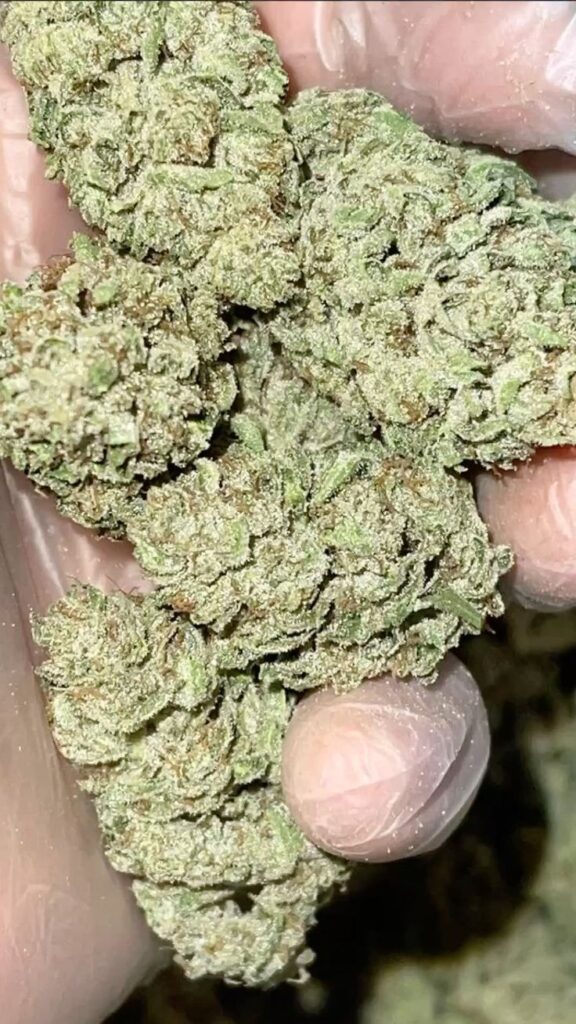
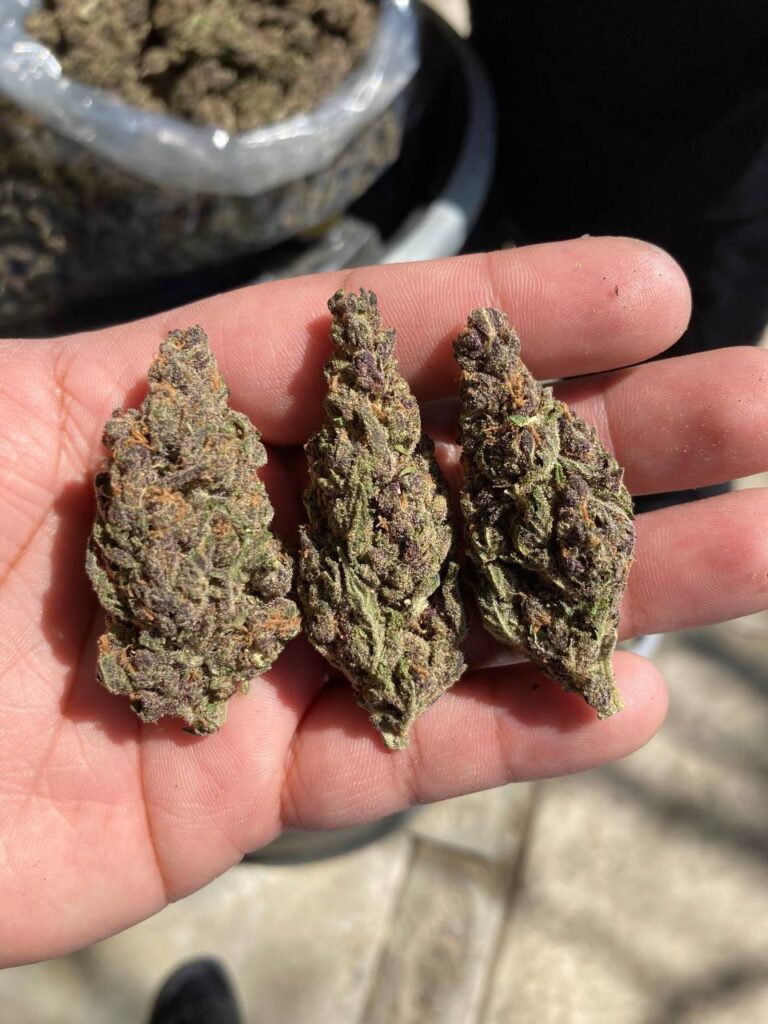
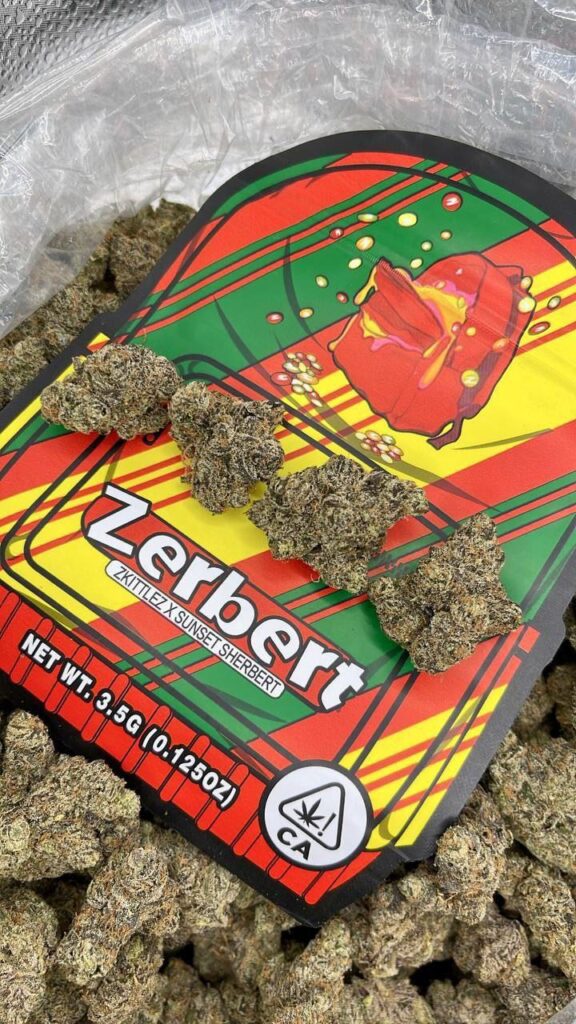
- Cannabis flower (buds)
- Concentrates and extracts
- Edibles and beverages
- Tinctures and oils
- Topicals and creams
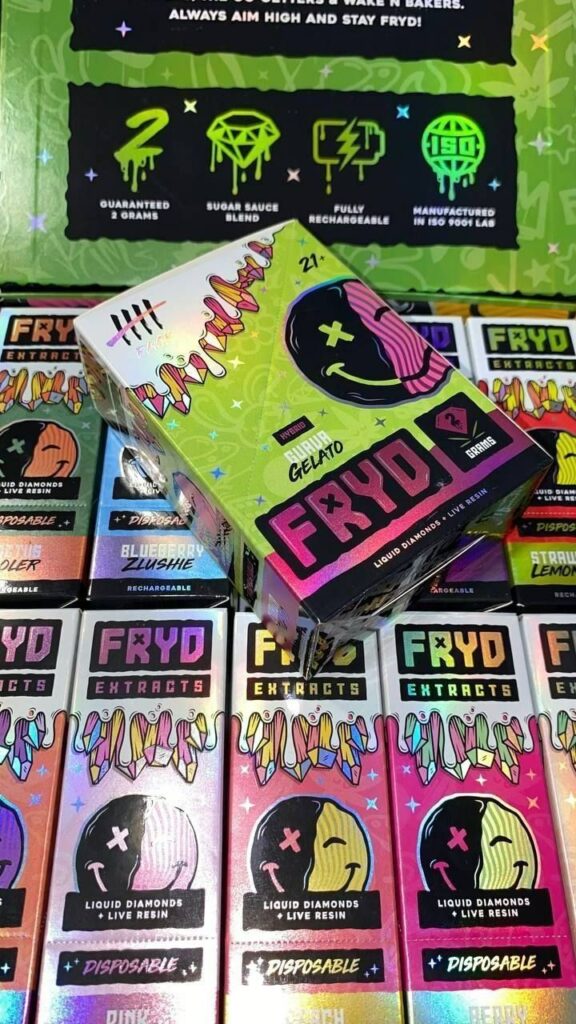
- Vape cartridges
- Medical cannabis formulations
However, legality depends on three key factors:
- THC concentration
- Source plant (hemp vs marijuana)
- State-specific regulations
This is why some cannabis products are sold legally nationwide, while others remain restricted.
Cannabis Products and Federal Law: The Big Contradiction
At the federal level, cannabis laws remain unchanged in one crucial way:
- Marijuana-derived cannabis products are still illegal
- Hemp-derived cannabis products (≤0.3% THC) are federally legal
This contradiction is what allows states to legalize cannabis locally while federal law still technically prohibits it.
Federal agencies generally avoid prosecuting individuals who comply with state law—but that doesn’t mean federal risk is gone.
Cannabis Products Laws by State: The Big Picture
When it comes to cannabis products laws by state, the U.S. falls into four main categories:
- Fully legal (recreational + medical)
- Medical use only
- Limited or low-THC programs
- Fully illegal
Each category comes with different rules, risks, and restrictions.
States Where Cannabis Products Are Fully Legal
In these states, adults aged 21+ can legally purchase certain cannabis products https://cannabisplug.store/shop-2/ from licensed retailers.
Common features include:
- Regulated dispensaries
- State taxation
- Product testing and labeling
- Purchase limits
Examples include:
- California
- Colorado
- New York
- Illinois
- Oregon
- Washington
Even in these states, not all cannabis products are legal. High-potency items, public use, and unlicensed sales are often prohibited.
States Where these Products Are Legal for Medical Use Only
Medical-only states allow cannabis products for approved medical conditions with a physician’s recommendation.
Typical requirements:
- State-issued medical card
- Approved condition list
- Lower possession limits
- Restricted product types
These laws are stricter than recreational systems and vary significantly by state.
States With Limited or Low-THC Cannabis Programs
Some states do not allow full cannabis products but permit:
- Low-THC oils
- CBD-dominant products
- Medical use only under strict conditions
These programs are often misunderstood and can be legally risky if misinterpreted.
States Where Cannabis Products Remain Illegal
In these states:
- Marijuana-derived cannabis products are illegal
- Possession can lead to fines or criminal charges
- CBD legality may still exist under hemp laws
Even small amounts of illegal cannabis products can carry serious consequences depending on state enforcement.
H2: Cannabis Products Laws by State and THC Limits
One of the most overlooked legal details is THC concentration.
States regulate:
- Maximum THC per serving
- Total THC per package
- Concentrate potency caps
A cannabis product legal in one state may be illegal in another due to THC thresholds alone.
H2: Cannabis Products Laws by State for Travel and Transport
This is where many people make costly mistakes.
Important rules:
- Crossing state lines with cannabis products is illegal
- Airports and federal land follow federal law
- Legal in one state ≠ legal during transport
Even traveling between two legal states can trigger federal jurisdiction.
H3: How Cannabis Products Are Regulated Differently Across States
State regulators control:
- Licensing of growers and sellers
- Product testing standards
- Packaging and labeling
- Advertising restrictions
This means quality, safety, and legality vary dramatically depending on where cannabis products are sold.
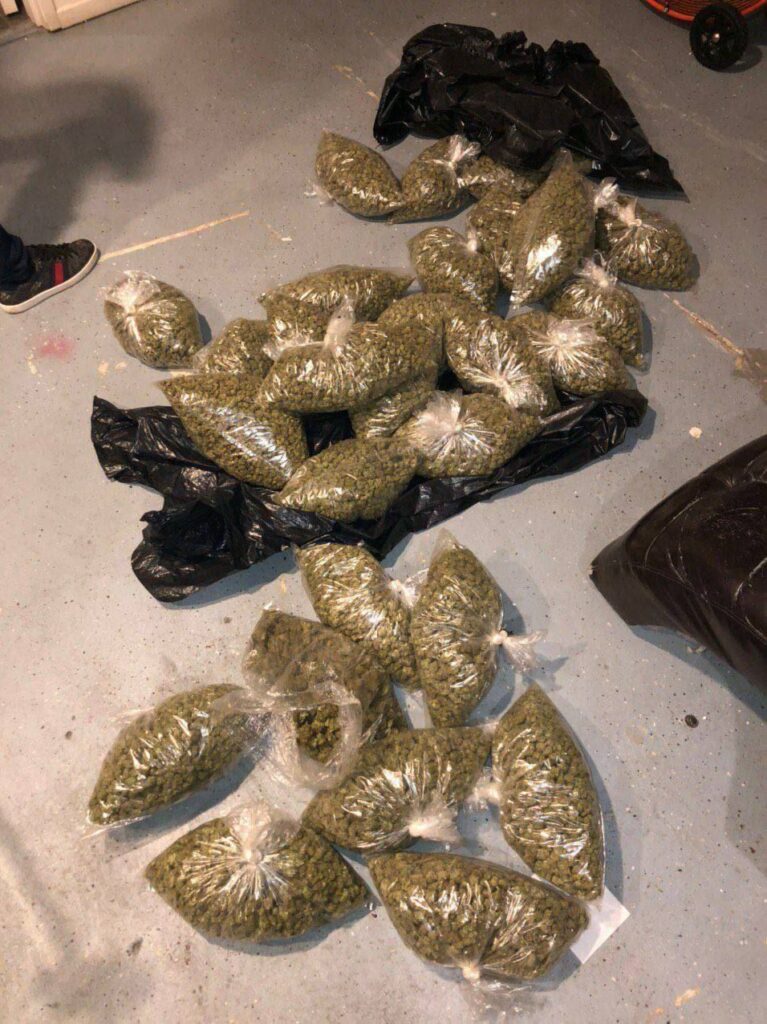
Cannabis Products and Employment Law
Many people assume legalization protects them at work—it often doesn’t.
Key realities:
- Employers may ban cannabis use
- Drug testing policies still apply
- Federal jobs follow federal law
Legal cannabis products do not guarantee workplace protection.
Cannabis Products and Banking Restrictions
Because cannabis remains federally illegal:
- Many banks refuse cannabis-related accounts
- Businesses face cash-handling risks
- Payments and financing remain limited
This affects pricing, access, and business stability nationwide.
Common Mistakes People Make With Cannabis Products Laws
Competitors rarely mention these risks:
- Assuming legality equals safety everywhere
- Confusing hemp products with marijuana products
- Ignoring local city or county bans
- Traveling with cannabis products unknowingly
Understanding these nuances can prevent legal trouble.
FAQs: Cannabis Products Laws by State
1. Are cannabis products legal in every U.S. state?
No. Cannabis products legality depends on the state, THC content, and intended use.
2. Can I buy cannabis products online legally?
Only hemp-derived cannabis products may be shipped federally. Marijuana products cannot cross state lines.
3. Are cannabis products legal on federal land?
No. Federal law applies on national parks, airports, and military bases.
4. Do cannabis products laws change often?
Yes. State laws evolve frequently, making regular updates essential.
5. Can I lose my job for using legal cannabis products?
Yes. Employers may enforce drug-free workplace policies.
6. Are CBD cannabis products legal in all states?
CBD legality depends on source, THC content, and state regulation.
Conclusion: What You Should Know Before Buying or Using Cannabis Products
Understanding cannabis products laws by state is no longer optional—it’s a legal necessity.
While legalization continues to expand, the U.S. remains a patchwork of rules, exceptions, and enforcement differences. Federal law still matters. State law matters more locally. And misunderstanding either can lead to serious consequences.
The safest approach is simple:
- Know your state’s laws
- Understand THC limits
- Avoid interstate transport
- Stay updated as laws change
If you’re considering cannabis products for medical, personal, or business reasons, informed decisions are your strongest protection.
Knowledge reduces risk. Compliance protects your future.