Introduction: Why Cannabis Laws Confuse So Many Americans
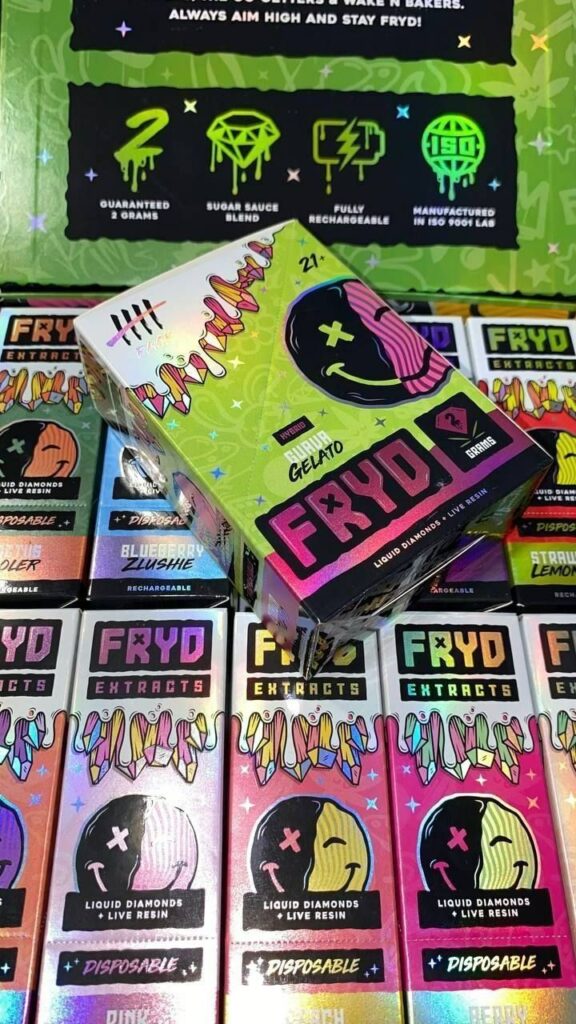
Cannabis products. If you’ve ever wondered whydrugs are legal in one U.S. state but illegal just across the border, you’re not alone. Millions of Americans search every month for clarity on cannabis laws, only to find conflicting information, outdated advice, or legal jargon that raises more questions than answers.
The truth is this: this exist in one of the most complex legal environments in the United States. Federal law says one thing. State laws often say another. And enforcement doesn’t always follow either perfectly.
Whether you’re a consumer, business owner, healthcare patient, investor, or simply someone trying to stay compliant, understanding how cannabis products legality in the United States actually works is essential.
This guide breaks it all down—clearly, accurately, and without hype—so you can understand the real legal landscape surrounding cannabis today.
What Are Cannabis Products? (Legal Definition Matters)
Before discussing legality, it’s important to understand what the law means by cannabis products.
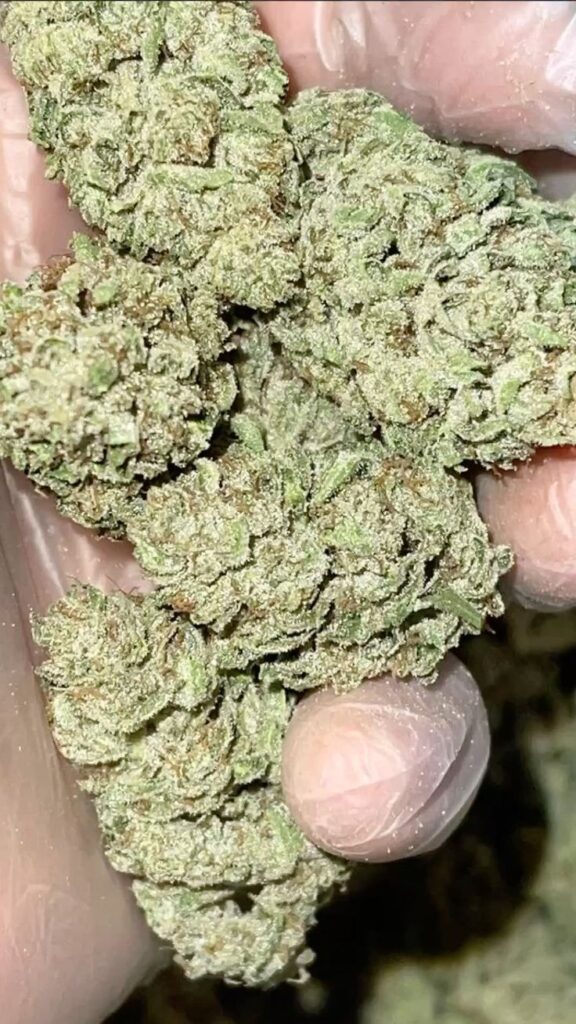
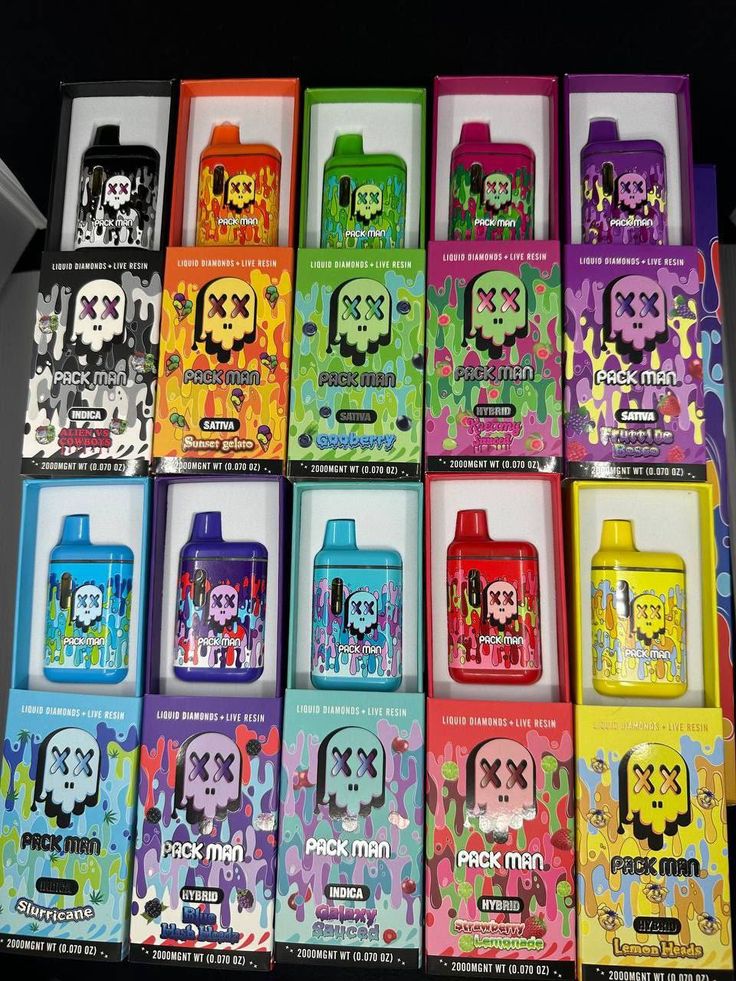
Cannabis products generally include any goods derived from the Cannabis sativa plant, such as:
- Dried cannabis flower
- Concentrates and extracts
- Edibles and beverages
- Topicals and creams
- Tinctures and oils
- Medical cannabis formulations
However, the legal classification of cannabis products depends heavily on THC content, source plant, and intended use.
This distinction is critical because federal and state laws treat very differently.
Under Federal Law
The Controlled Substances Act (CSA)
At the federal level, cannabis products are governed by the Controlled Substances Act of 1970. Under this law:
- Marijuana is classified as a Schedule I substance
- Schedule I drugs are considered to have:
- High abuse potential
- No accepted medical use
- Lack of safety under medical supervision
This classification technically makes most cannabis products illegal under federal law—regardless of state legalization.
Federal Enforcement Reality
Despite federal prohibition, enforcement has evolved:
- Federal agencies generally avoid targeting individuals compliant with state law
- Enforcement focuses more on:
- Interstate trafficking
- Organized crime
- Non-compliant operations
Still, federal law has not changed, and that creates ongoing legal risk.
Hemp vs Marijuana: The Legal Line Most People Miss
One of the most misunderstood aspects of this legality is the difference between hemp and marijuana.
The 2018 Farm Bill
The Agriculture Improvement Act of 2018 legalized hemp at the federal level.
Hemp is defined as:
- Cannabis containing 0.3% THC or less (by dry weight)
This means:
- Hemp-derived cannabis products are federally legal
- Marijuana-derived cannabis products remain federally illegal
This single distinction explains why some cannabis products can be sold nationwide while others cannot.
Cannabis Products Under State Laws
Why States Can Legalize Cannabis
States have the authority to regulate health and safety under the U.S. Constitution. This allows states to legalize and regulate cannabis products within their borders, even though federal law still prohibits them.
Current State Legalization Landscape
As of today, U.S. states fall into several categories:
- Fully legal (adult-use + medical)
- Medical cannabis only
- CBD or low-THC programs
- Fully illegal
Each state sets its own rules for:
- Possession limits
- Product types
- Licensing and sales
- Taxation
This is why cannabis products that are legal in California may be illegal in Texas.
Cannabis Products Legality by State: What Changes Most
Key Differences Across States
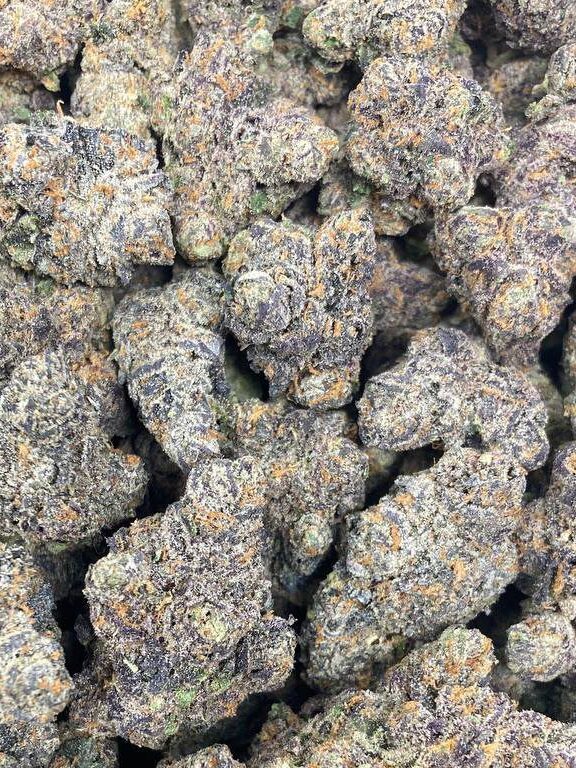
State cannabis laws vary widely when it comes to:
- THC limits
- Allowed cannabis product forms
- Purchase locations
- Residency requirements
- Home cultivation rules
No two states regulate cannabis products exactly the same way.
Cannabis Products and Interstate Commerce
Why You Can’t Cross State Lines
Even if cannabis products are legal in both states, transporting them across state lines is illegal.
Why?
- Interstate commerce falls under federal jurisdiction
- Federal law still classifies marijuana as illegal
This applies to:
- Individuals
- Businesses
- Licensed operators
This is one of the biggest legal traps people fall into.
Cannabis Products in the Workplace
Employment Law Complications
Even in legal states:
- Employers may prohibit cannabis use
- Drug testing policies still apply
- Federal contractors must follow federal law
Legal cannabis products do not automatically protect employees from workplace consequences.
Medical vs Recreational Cannabis Products
Medical Cannabis
Medical cannabis products are:
- Recommended by licensed healthcare providers
- Often taxed at lower rates
- Regulated more strictly
Many states allow medical cannabis even if recreational cannabis remains illegal.
Adult-Use Cannabis
Recreational cannabis products:
- Are available to adults 21+
- Have higher taxes
- Face stricter advertising restrictions
H3: How these Products Are Regulated at the State Level
State cannabis regulators oversee:
- Product testing and labeling
- Licensing of growers and retailers
- Packaging safety rules
- Advertising compliance
This regulatory structure is why legal cannabis products are tracked, tested, and taxed—unlike illegal market products.
Banking and these Products
Why Cannabis Businesses Struggle With Banks
Because this products remain federally illegal:
- Many banks refuse cannabis accounts
- Businesses operate largely in cash
- Financial risk remains high
Recent legislation aims to fix this, but progress is slow.
Cannabis Products and Travel
Domestic Travel Risks
- TSA follows federal law
- Airports are federal property
- Cannabis products can trigger legal consequences
Even traveling between two legal states carries risk.
Common Legal Myths About these Products
- “If it’s legal in my state, it’s legal everywhere.”
❌ False - “CBD is legal in all forms.”
❌ Depends on source and state - “Medical cannabis is federally legal.”
❌ It is not
Understanding these myths can prevent serious legal trouble.
FAQs About Cannabis Products Legality
1. Are these products legal in the United States?
Cannabis products are illegal under federal law but may be legal under state law depending on location and product type.
2. Are hemp-derived these products federally legal?
Yes, hemp-derived cannabis products with 0.3% THC or less are federally legal under the Farm Bill.
3. Can I travel with these products between states?
No. Crossing state lines with cannabis products violates federal law.
4. Do these products show up on drug tests?
Yes. Many cannabis products contain THC, which can trigger positive drug test results.
5. Are these products legal for medical use everywhere?
No. Medical cannabis laws vary by state.
6. Can employers ban these products?
Yes. Employers can restrict cannabis use regardless of state legalization.
Conclusion: The Reality of these Products Legality
The legality of cannabis products in the United States is not simple—and anyone who tells you otherwise is oversimplifying a very real legal issue.
Federal law still prohibits most cannabis products. State laws may allow them. Enforcement varies. Risks remain.
The smartest approach is to:
- Understand both federal and state laws
- Stay informed as regulations evolve
- Avoid assumptions based on headlines
As cannabis laws continue to change, knowledge is your strongest protection. If you’re dealing with cannabis products in any serious capacity—medical, professional, or commercial—consulting legal professionals and staying current with regulations is essential.
Clarity beats confusion. Compliance beats consequences.